
You want clear answers about crawl space insulation that fit Charleston’s humid, coastal climate. This article helps homeowners compare common options, spot moisture risks, and pick the right tradeoffs so they can make a sound choice for comfort and energy savings. Expect practical guidance on R-values, venting vs. encapsulation, vapor barriers, and which materials work best here.
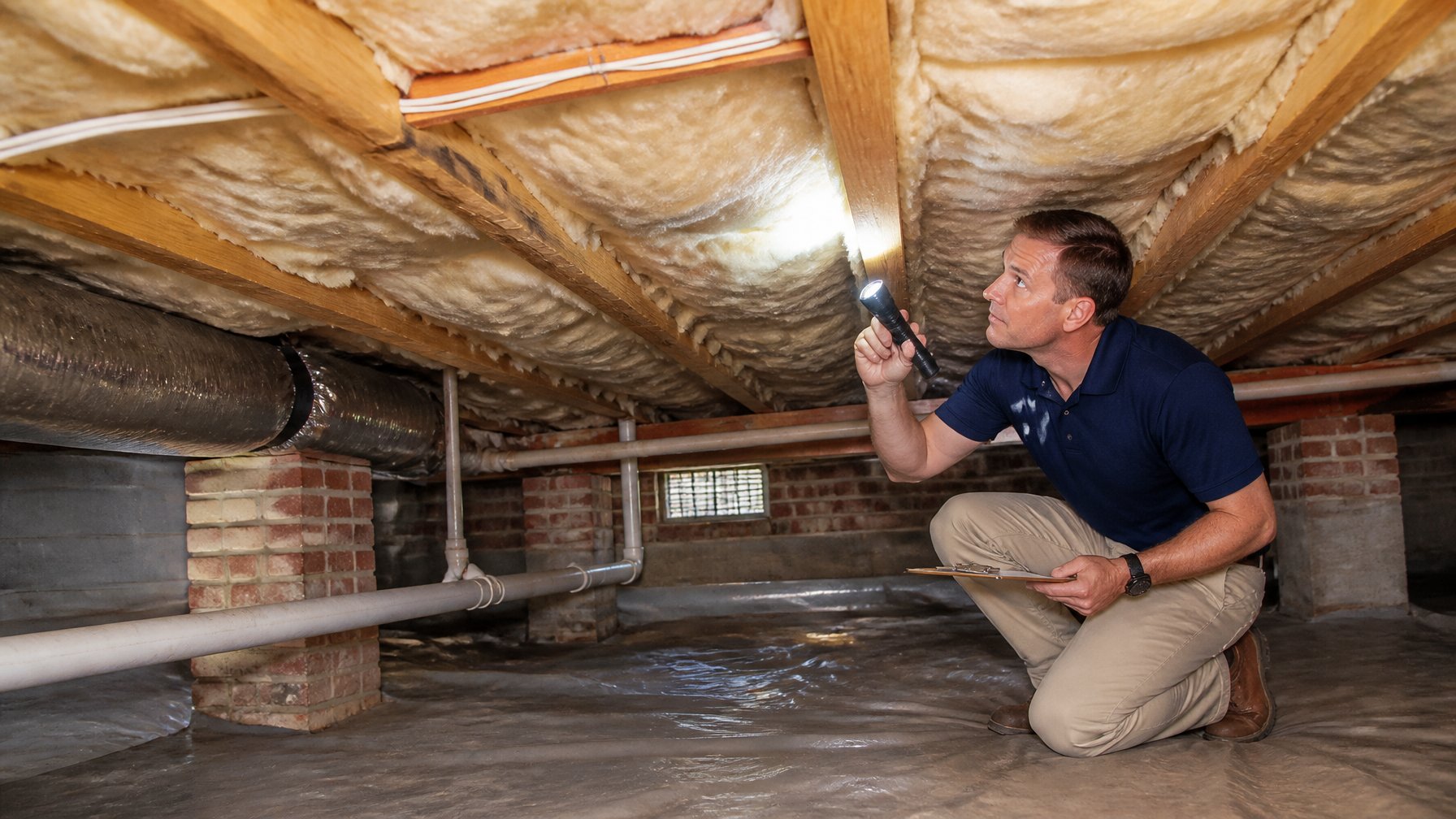
They will learn what to compare when choosing materials and contractors, what questions to ask, and which installation choices affect humidity, mold risk, and long-term costs. The article stays focused on homeowner needs and offers one natural next step link to the homepage for more services or local resources.
1) What R-value should I use for Charleston’s humid climate?
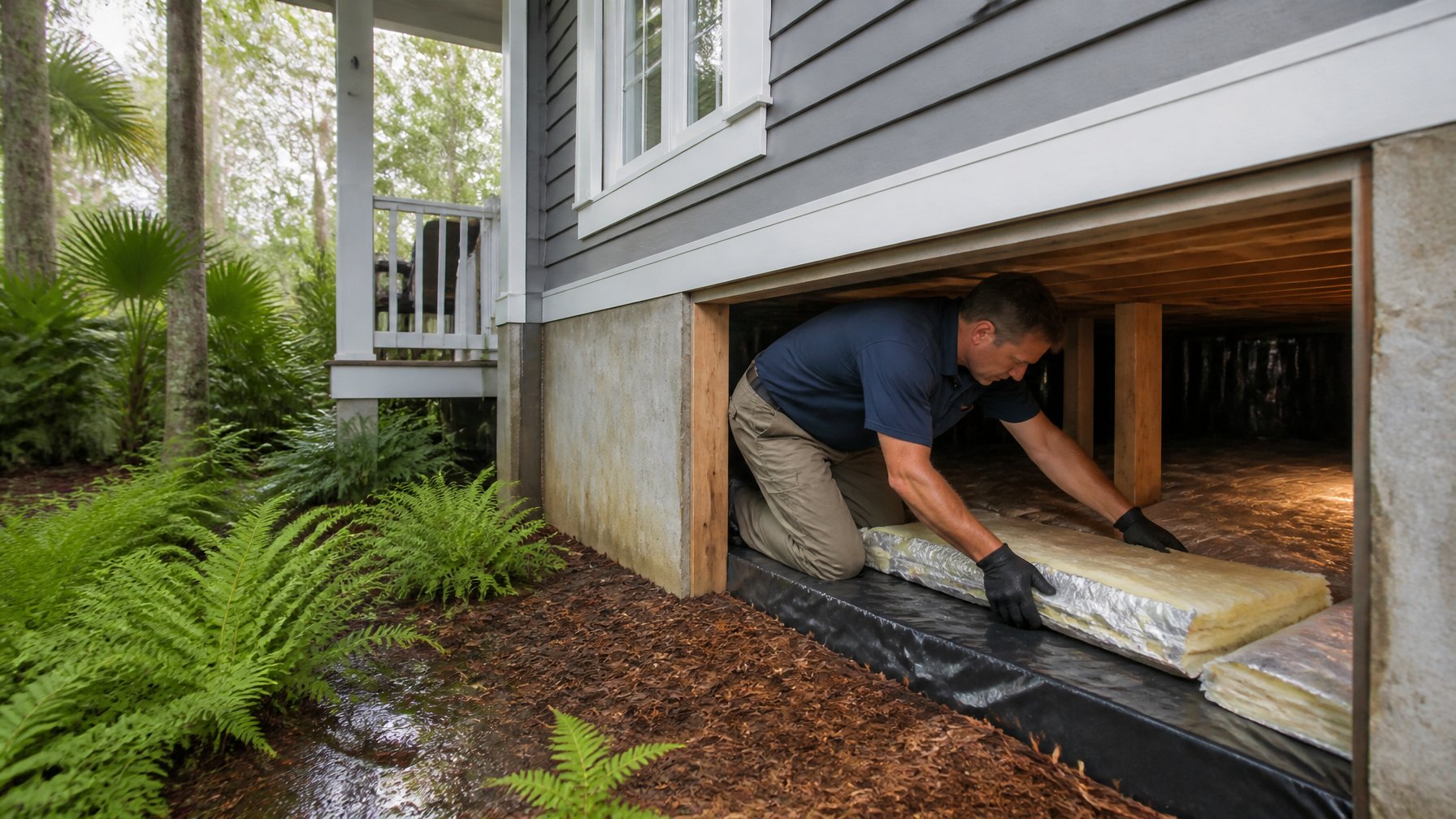
Charleston has hot, humid summers and mild winters. For a vented crawl space, aim for R-19 to R-30 in the floor to slow heat flow. For an encapsulated (conditioned) crawl space, R-10 to R-15 on the walls helps keep moisture and temperature stable.
Compare insulation types: fiberglass batts lose value when damp, while closed-cell spray foam resists moisture and adds air sealing. Ask a contractor what they expect for moisture control and whether they recommend a vapor barrier or dehumidifier.
Consider the tradeoff between cost and performance. Higher R-values and foam cost more up front but reduce humidity issues and energy loss. Visit the homepage for insulation services to find options and local guidance.
2) Should I insulate the crawl space walls or the floor above?
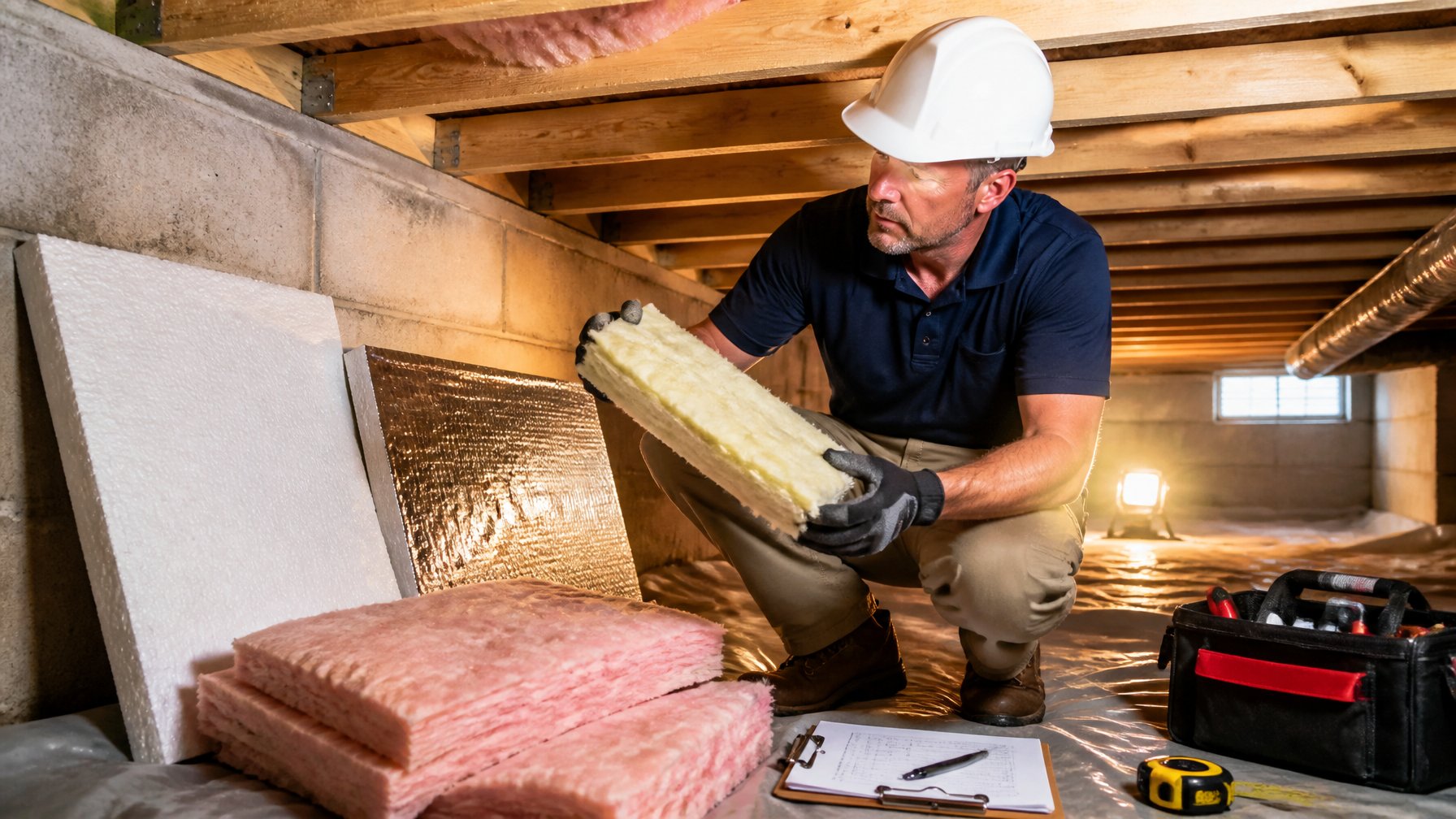
He should compare the house type and heating system. If the home has ductwork or HVAC in the crawl space, insulating the walls and sealing the space usually works better. Ask whether the system runs through the crawl space and what the moisture conditions are.
She should weigh cost versus comfort. Insulating the floor above is cheaper and easier for vented crawl spaces, but it leaves ducts and pipes unprotected. Homeowners should compare upfront cost, energy savings, and access needs.
They should check moisture control first. If the crawl space is damp or prone to water, wall insulation with a sealed vapor barrier reduces mold risk. Ask a professional about encapsulation and ventilation options.
Homeowners can read more about insulation and crawl space services on the homepage. Ask for an assessment that compares energy savings, moisture risks, and access for repairs before choosing a strategy.
3) How do I identify existing moisture or mold in the crawl space?
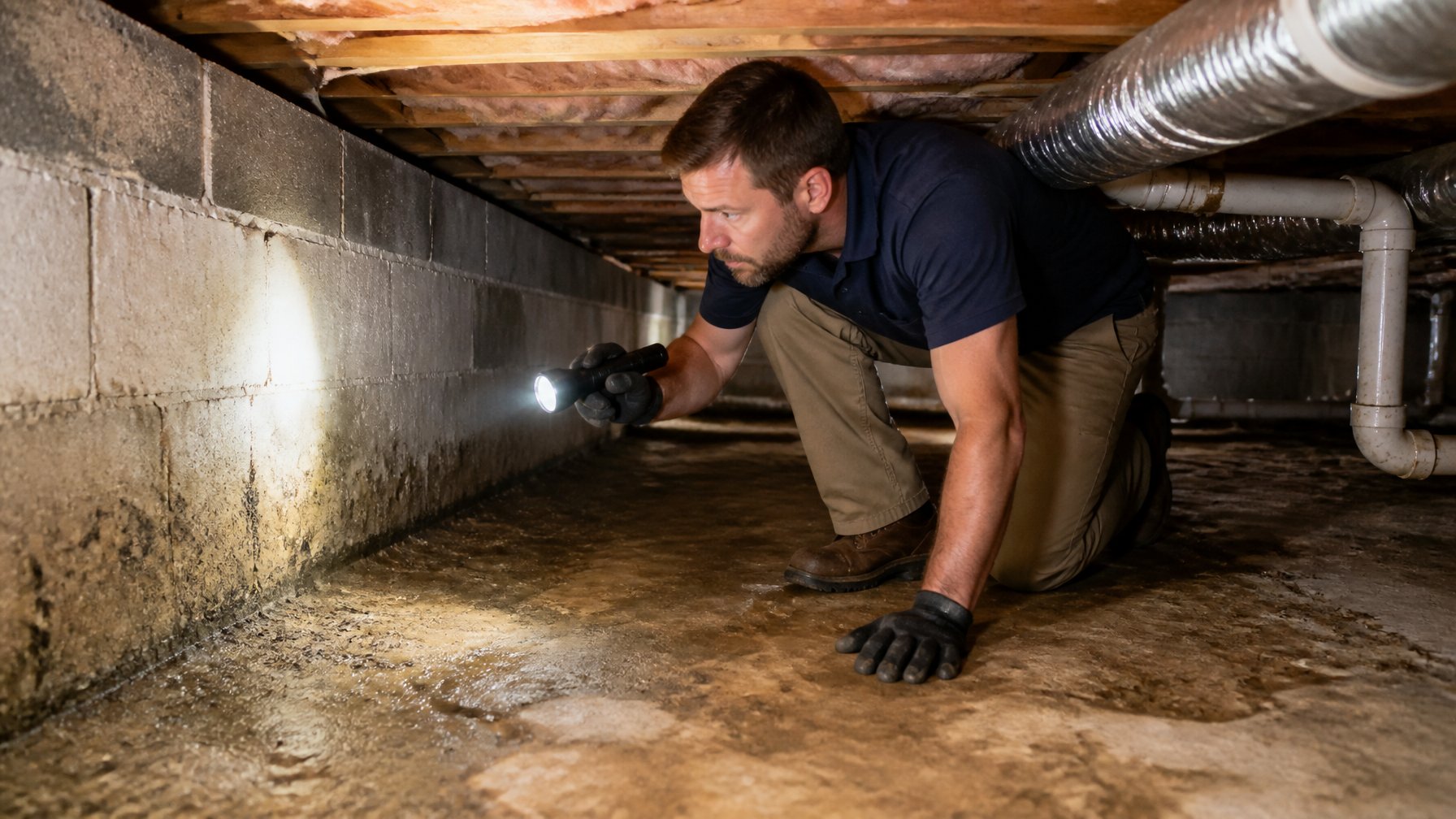
They should look for visible mold on wood, insulation, or plastic sheeting. Mold often appears as black, green, or white spots. Compare suspect areas to clean wood nearby to spot discoloration.
They should note musty or damp odors when opening the access. Smells that linger after airing out the space usually mean persistent moisture. Ask if the smell returns after heavy rain.
They should feel for wetness on the ground, piers, or sill plates. Damp soil, standing water, or wet insulation are clear signs. Compare dry sections to wet ones to judge how widespread the problem is.
They should check for peeling paint, rusted fasteners, or warped wood. Those signs signal long-term moisture exposure. Consider a moisture meter reading or professional testing for clearer data.
They should review recent HVAC and drainage history: clogged gutters, bad grading, or a faulty HVAC line can cause issues. For help with fixes, see crawl space encapsulation services.
4) Can spray foam be used in an unvented crawl space here?
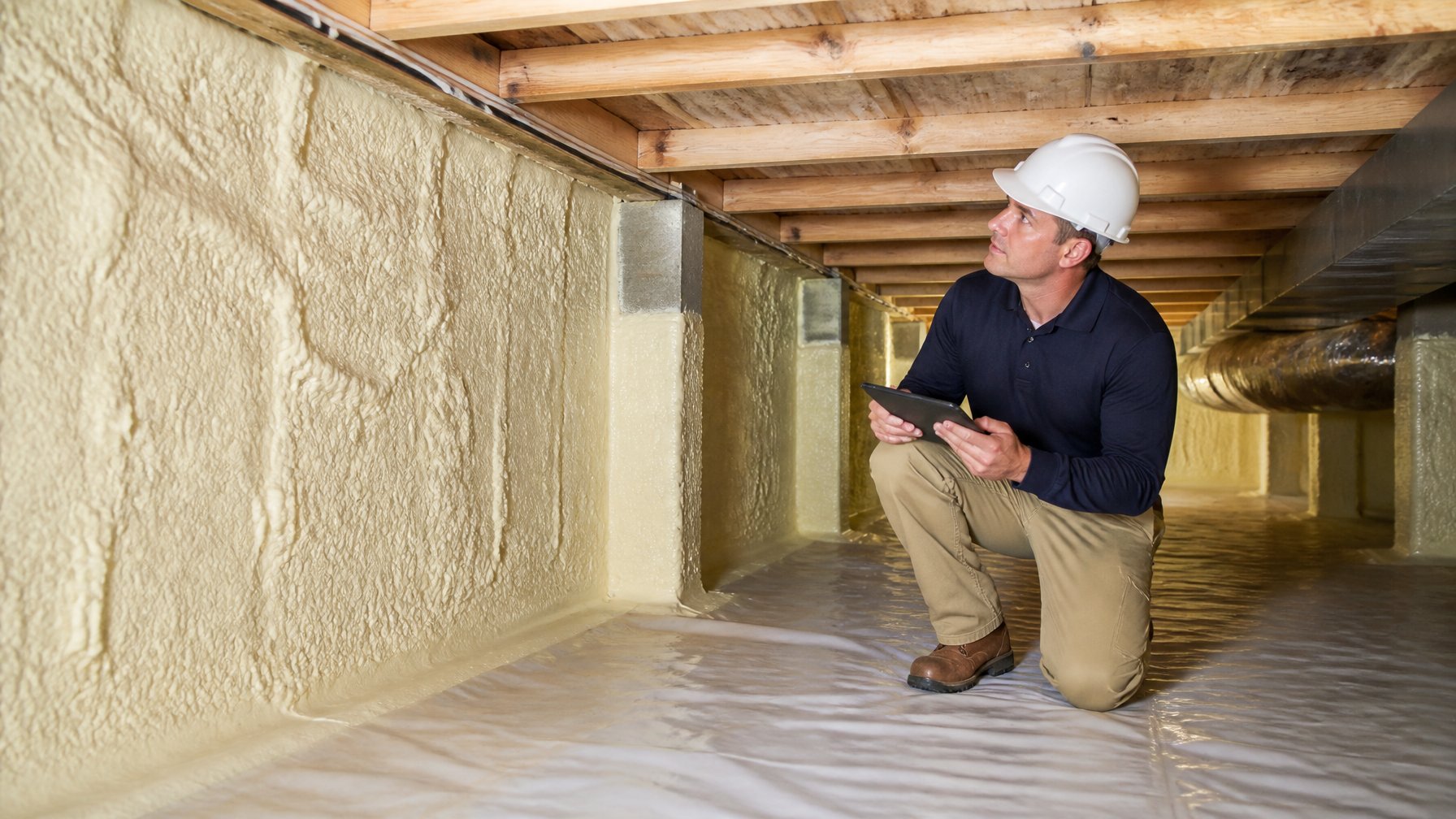
Spray foam can work well in an unvented crawl space if installed correctly. It seals air leaks and adds R-value, which helps control humidity and keeps floors warmer.
Homeowners should compare closed-cell vs. open-cell foam. Closed-cell adds more moisture resistance and structural strength but costs more. Ask contractors about vapor barriers, drainage, and wall vs. rim-joist coverage.
They must confirm that the crawl space has proper moisture control before foam goes on. That means grading, gutters, and a vapor barrier on the ground. Otherwise trapped water can cause mold or damage.
Ask for a clear scope and tradeoffs: cost, R-value, moisture control, and future access for plumbing or wiring. For more guidance and local services, see the crawl space insulation and encapsulation page.
5) What vapor barrier thickness and type is best for coastal homes?
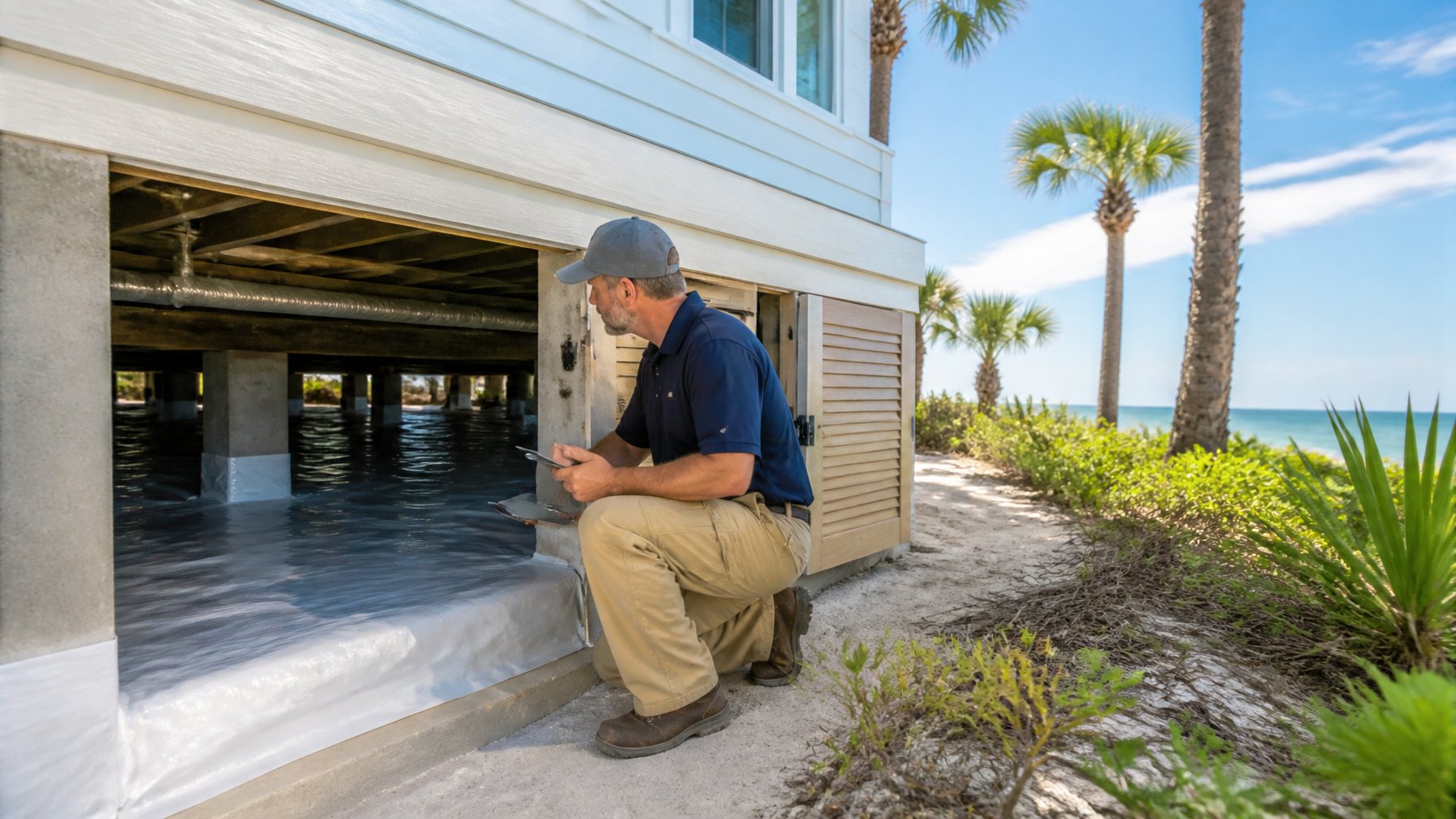
Homes near the coast need thicker, more durable vapor barriers because salt air and higher humidity speed up wear. Homeowners should compare 6-mil versus 10- or 12-mil polyethylene; thicker films resist tears and punctures from debris and crawl space activity.
They should ask contractors about reinforced or vapor-retarder-faced insulation and whether seams will be sealed with tape or adhesive. The tradeoff is cost versus longevity; higher mil ratings cost more but last longer in a salty, humid environment.
Also consider a vapor barrier with a built-in puncture-resistant layer or a silver-coated reflective option for added moisture control. Homeowners can read more about crawl space services on the homepage before choosing materials and asking for installation details.
6) How do I ensure proper crawl space ventilation in Charleston?
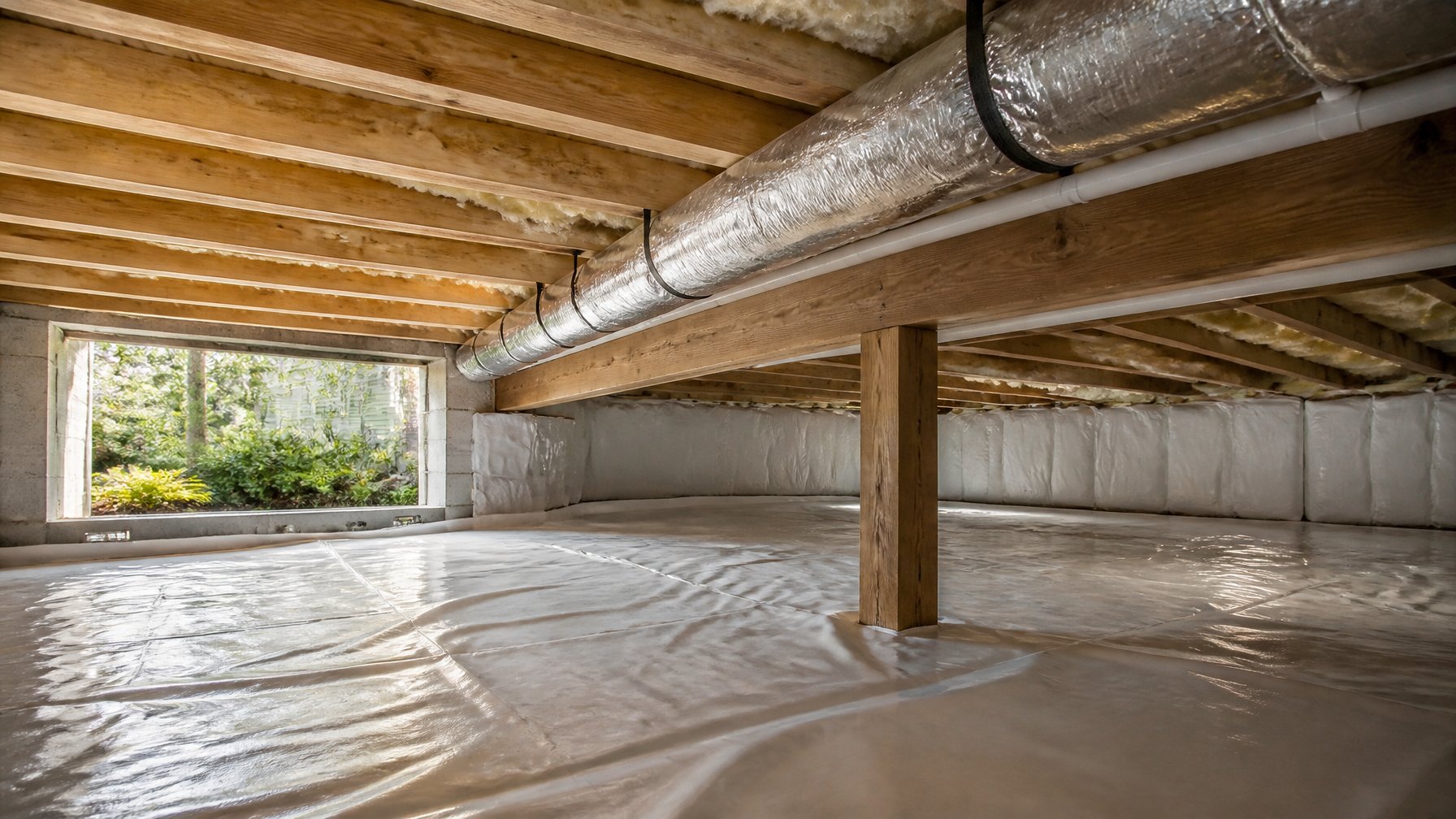
They should first check whether the crawl space is vented or sealed. Compare the risks: vents can help airflow but may bring humid outdoor air that causes mold in Charleston’s climate. Ask if a vapor barrier and dehumidifier will be used with vents to control moisture.
They should inspect vent placement and size. Look for vents near low and high points to promote cross-ventilation, and ask about screened covers to keep pests out. Tradeoff: more vents can mean more moisture unless paired with moisture control.
They should consider a conditioned or encapsulated crawl space. Compare the cost of encapsulation versus ongoing dehumidifier use and routine maintenance. Visit the company homepage to learn about encapsulation and dehumidifier services before deciding.
7) Will insulating the crawl space reduce my energy bills and humidity levels?
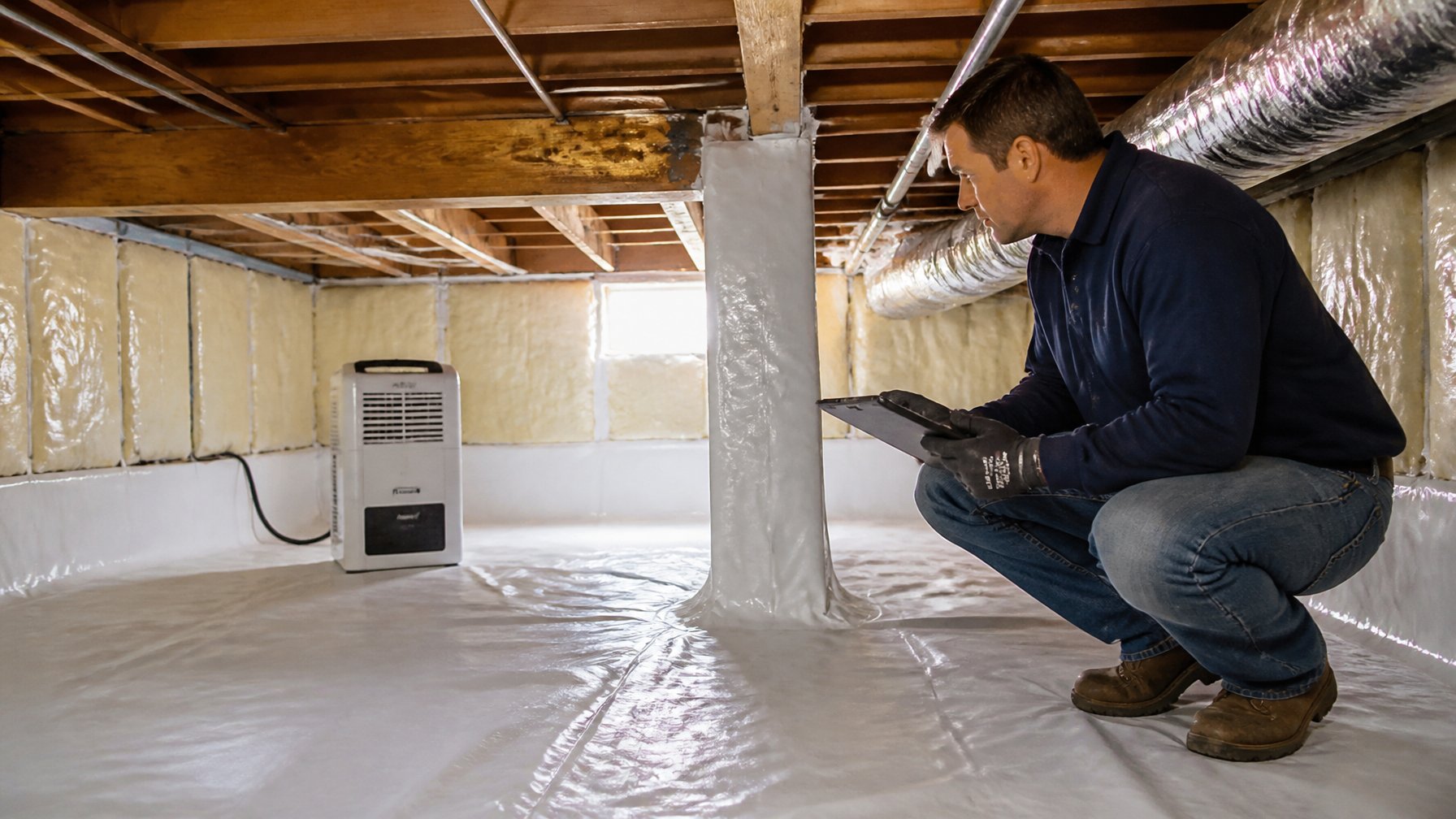
Insulating the crawl space can cut heating and cooling losses by sealing gaps and adding a thermal barrier. Homeowners should compare the R-value of insulation options and whether to insulate walls or the floor, since each choice affects energy use differently.
It can also lower humidity when paired with a vapor barrier and proper ventilation or dehumidification. Ask about sealing air leaks and installing a moisture barrier; the tradeoff is upfront cost versus steady savings and fewer moisture problems.
They should get an energy estimate and a humidity reading before and after work to measure results. For more on related services, see crawl space insulation and encapsulation.
8) When should I choose closed-cell spray foam vs. rigid foam board?
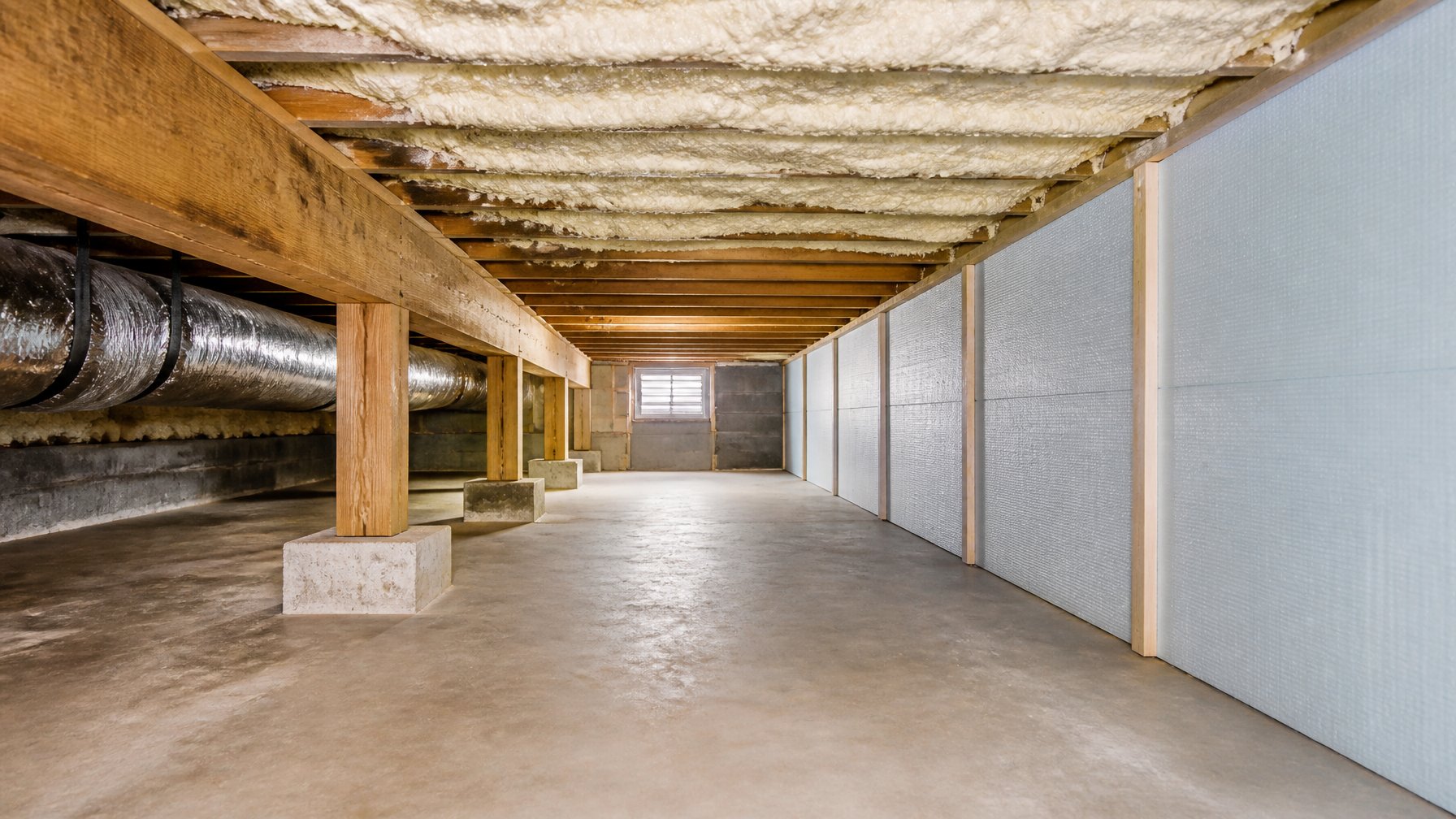
Homeowners should compare R-value per inch and moisture control. Closed-cell spray foam gives higher R-value and acts as a vapor barrier, so it suits very tight spaces or areas prone to moisture. Rigid foam board has lower cost and is easier to install for DIY projects.
Ask about air sealing needs and budget. Spray foam seals gaps and cuts air leaks, but it costs more and needs a pro for safe application. Foam board works for blocking heat and can be combined with taped seams for better performance.
Weigh access and future repairs. Spray foam bonds to surfaces and is hard to remove, which can complicate future access to plumbing or wiring. Rigid board can be removed or replaced more easily if changes are likely.
Compare warranty, installation time, and local code fit. Check product specs and contractor recommendations on the homepage for more info, and ask for written estimates showing materials, R-value, and whether the material serves as a vapor barrier.
9) How do I find a contractor experienced with Charleston crawl spaces?
They should compare years doing crawl space work, written warranties, and whether they use spray foam or encapsulation materials suited for humid, coastal climates. Ask about moisture-control plans, ventilation choices, and cost tradeoffs between insulation types.
Request references and proof of insurance and worker coverage, but avoid relying only on claims. Ask for a written scope, timeline, and change-order policy so homeowners can compare bids clearly.
Check for knowledge of local codes and common Charleston issues like flood zones and salt air corrosion. Have them explain how they handle ground moisture, vapor barriers, and pest entry before signing a contract.
Visit the company website or service pages like Crawl Space Services to confirm offered services and typical steps. Compare at least three bids and weigh durability versus upfront cost when choosing a contractor.